
With the evolution of AI, marketing has decisively transitioned from an era of "intuition and experience" to one of "data and algorithms." In 2026, data shows that companies leveraging AI achieve a 20-30% improvement in marketing ROI—AI adoption is no longer optional but essential. This article provides a practical guide to implementing data-driven AI marketing strategies.
Hyper-Personalization: Optimal Experiences for Every Individual
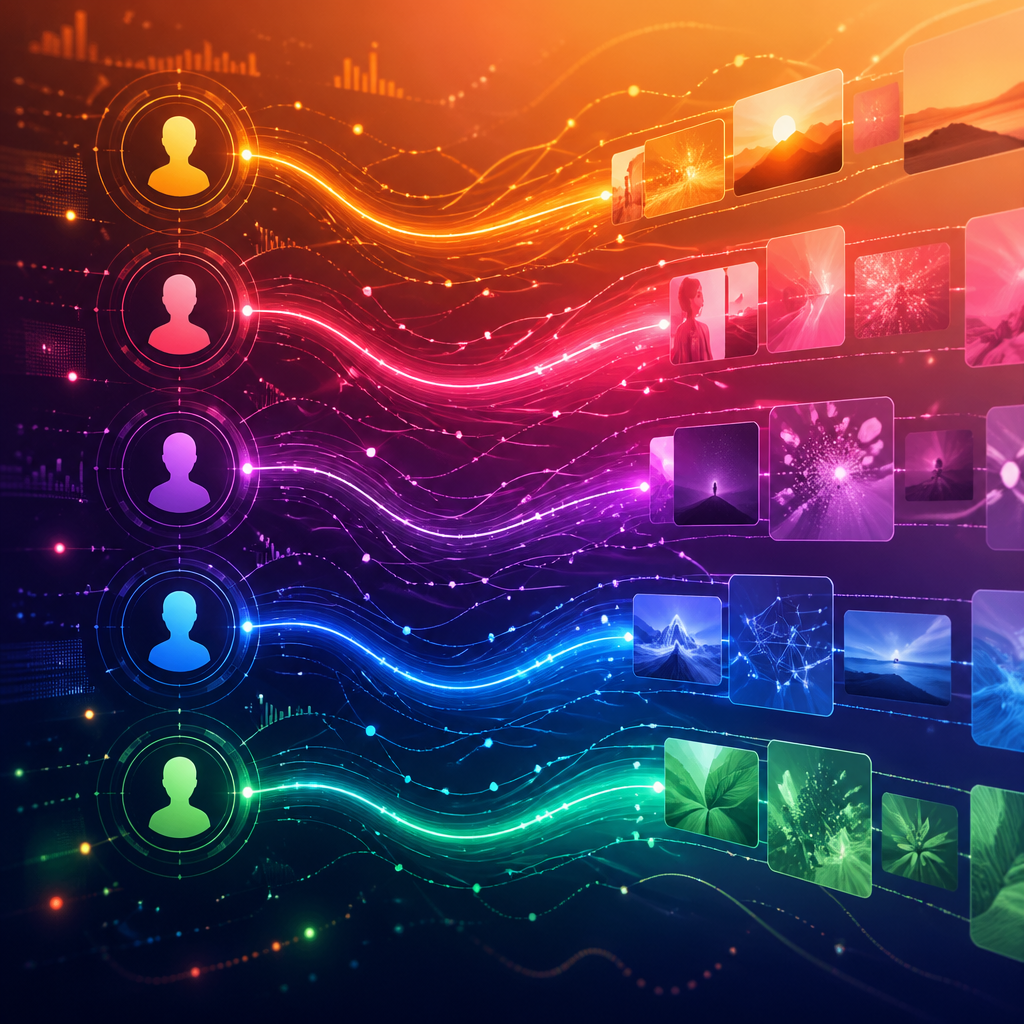
The biggest trend in 2026 marketing is AI-driven hyper-personalization. The approach has evolved from segment-based targeting like "women in their 20s" to optimization for each individual based on behavioral history, preferences, and real-time context.
AI predicts needs that customers haven't yet recognized and delivers messages through the optimal channel at the optimal time. The AI-driven hyper-personalization market is projected to grow 40% year-over-year in 2026, and companies that fail to ride this wave risk losing their competitive edge.
Predictive Analytics: Reading Future Customer Behavior

Predictive Analytics is a technology where AI analyzes historical behavioral data and real-time signals to forecast future purchase patterns and churn risk. It enables a shift from reactive decision-making based on "last month's sales data" to proactive strategy planning that looks ahead.
Specific applications include:
- Churn prediction: Early detection of cancellation signals with automated retention actions
- LTV prediction: Forecasting customer lifetime value to optimize investment in high-value customers
- Demand forecasting: Optimal allocation of inventory and ad budgets factoring in seasonality and trends
- Campaign ROI prediction: AI simulates expected outcomes before campaign execution
Leveraging Zero-Party and First-Party Data

As third-party cookies phase out, the 2026 winners are companies that skillfully leverage zero-party data (information customers voluntarily provide) and first-party data (data collected directly by your organization).
By collecting zero-party data through surveys, preference centers, and quizzes, then integrating it with behavioral data from websites and apps, you can achieve highly accurate personalization while respecting privacy. Designing 5-7 data collection touchpoints across the entire customer lifecycle is recommended.
The Rise of Autonomous Marketing Automation
Marketing automation in 2026 has evolved from traditional scheduled workflows to autonomous systems where AI plans, executes, and optimizes on its own.
These systems predict customer needs in real time, dynamically adjust messaging across channels, and continuously improve campaigns. The shift from manual A/B testing to AI-powered continuous optimization frameworks is accelerating. The key to success is managing email, SMS, social media, web, and retail data on a unified platform.
A Privacy-First Approach
As AI marketing expands, compliance with privacy regulations like GDPR and CCPA becomes more critical than ever. As consumers become more data-literate, poorly targeted personalization can actually damage brand trust.
By committing to consent-based data collection and maintaining transparent communication, you can achieve both regulatory compliance and marketing effectiveness. Privacy should be viewed not as a constraint but as a competitive advantage that deepens customer trust.
The Optimal Human-AI Collaboration Model
The more AI permeates marketing, the more the value of human authenticity increases. While AI excels in speed and accuracy, human involvement remains essential for brand storytelling, emotional empathy, and ethical judgment.
The most effective approach divides responsibilities as follows:
- AI handles: Data analysis, segmentation, delivery optimization, performance measurement
- Humans handle: Creative strategy, brand voice and tone, ethical judgment, quality assurance of AI outputs
Building human QA processes for AI-generated content and fusing technological precision with human creativity is the single greatest success factor in 2026 AI marketing strategy.